Two market reports pulled the same neighborhood in the same stretch of this year and came back with opposite stories. One logged Forest Hills homes selling at a median of $4.3 million in January 2026, up 48.5 percent from a year earlier. Another, working a similar 30-day window, put the median at $1.2 million, down 83.7 percent. Same zip code. Same season. A swing of more than $3 million depending on which report you happened to open.
Neither number is wrong. Neither is useful on its own, either, and that gap is the most honest thing you can learn about how Forest Hills actually trades.
Why the headline number keeps flipping
Forest Hills is small. The city covers about nine square miles and holds roughly five thousand residents, and in a given month only a handful of homes close. When your sample size is one or two sales, a single $7 million estate closing or a single $1.2 million teardown lot doesn't just move the median. It becomes the median. The Redfin snapshot that showed $4.3 million was built on a market where only one home sold that January, down from six the year before. The Orchard snapshot showing $1.2 million was also built on one sale.
That's not a data error. It's what happens when a wide-range luxury market gets measured on a monthly clock. Trailing 12-month figures settle the swings down considerably. As of May 2026, one compilation of the past year's closings put the median at just over $2 million, with sales ranging from $250,000 up to $7.55 million. Other trailing-year figures land in the same neighborhood, generally between $2.0 million and $2.3 million depending on the exact window measured. Stretch the lens to 36 months and the median climbs closer to $2.6 million, pulled upward by a run of larger closings, including the city's largest recorded sale, a $32 million transaction on Chickering Road.
So the honest answer to "what's the median home price in Forest Hills" depends entirely on how many months you're willing to average. A 30-day number tells you almost nothing. A 12-month number is a reasonable floor. Neither one tells you what you actually need to know before you write an offer or set a list price.
The market underneath the market
Here's what the composite medians hide: Forest Hills doesn't trade as one market. It trades as two.
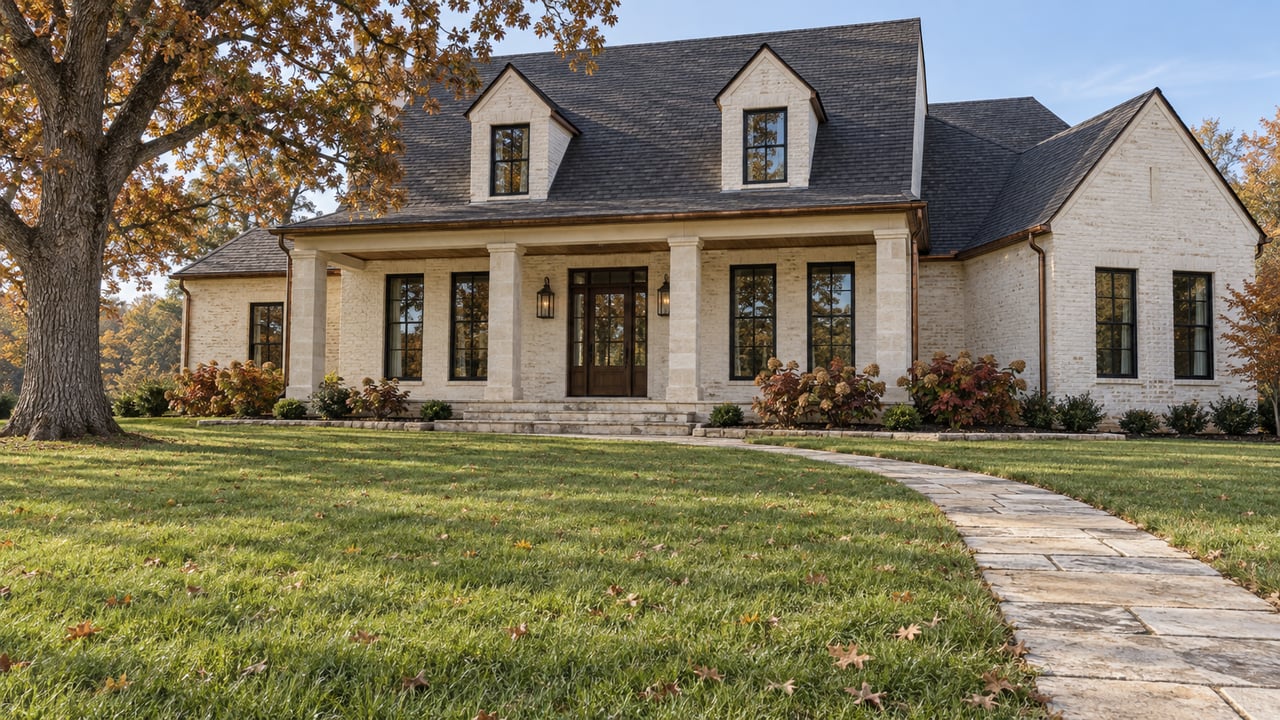
The first is a rebuild tier. Much of the city's housing stock dates to the 1960s and 70s, and the city has been fully built out for decades, so new construction almost always means tearing down an existing ranch or cottage and building new on the same lot. Across the 24 months ending in mid-2026, roughly 205 single-family closings in Forest Hills sold at a median of 97.2 percent of list price and a median of just 10 days on market. These are citywide figures, not a measure of the rebuild tier alone.
The second is the true estate tier, generally $8 million and above, concentrated along streets like Tyne Boulevard and Otter Creek Road. Here the buyer pool at any given price point is small enough that a well-priced estate can still sit for a year or more before finding its buyer. Custom builds at this level typically run 18 to 30 months from permit to completion, in part because Forest Hills' own building and zoning department reviews every project inside city limits under a stricter process than the surrounding county, and full estate builds on the largest lots frequently run past $8 million in construction cost alone.
Blend those two tiers into a single "days on market" figure and you get a number that flatters neither one. The 10-day median is real, but the cited figure covers roughly 205 single-family closings across Forest Hills, not specifically the rebuild tier. That citywide median does not establish how long a $6 million listing will take to sell. A seller at that level needs a pricing strategy built for patience, not a headline built for speed.
The tax quirk that doesn't show up on a portal
Forest Hills is what Davidson County calls a satellite city, one of a handful of small incorporated municipalities inside the county that kept their own local government when Nashville and Davidson County consolidated in 1963. Belle Meade, Oak Hill, Goodlettsville, Berry Hill and Ridgetop hold the same status. According to the Davidson County Property Assessor's public tax rate schedule, properties in these satellite cities pay the county's General Services District rate plus whatever additional municipal rate that particular city has chosen to adopt, if any.
That last phrase matters. Some satellite cities layer their own property tax on top of the county rate. The city funds its own road maintenance, stormwater work and code enforcement primarily through a share of state sales tax revenue. It's a detail that never shows up in a median price and rarely comes up until a buyer is comparing long-term carrying costs against a neighboring satellite city that handles things differently.
What this actually means if you're pricing a move
If you're comparing Forest Hills to a neighboring luxury suburb using a single median price pulled from a portal, you're comparing a number that could be anywhere from $1.2 million to $4.3 million depending on the month someone happened to check. The more durable comparison is the trailing 12 to 24 month range, roughly $2.0 million to $2.6 million depending on window, understood as a floor rather than a forecast.
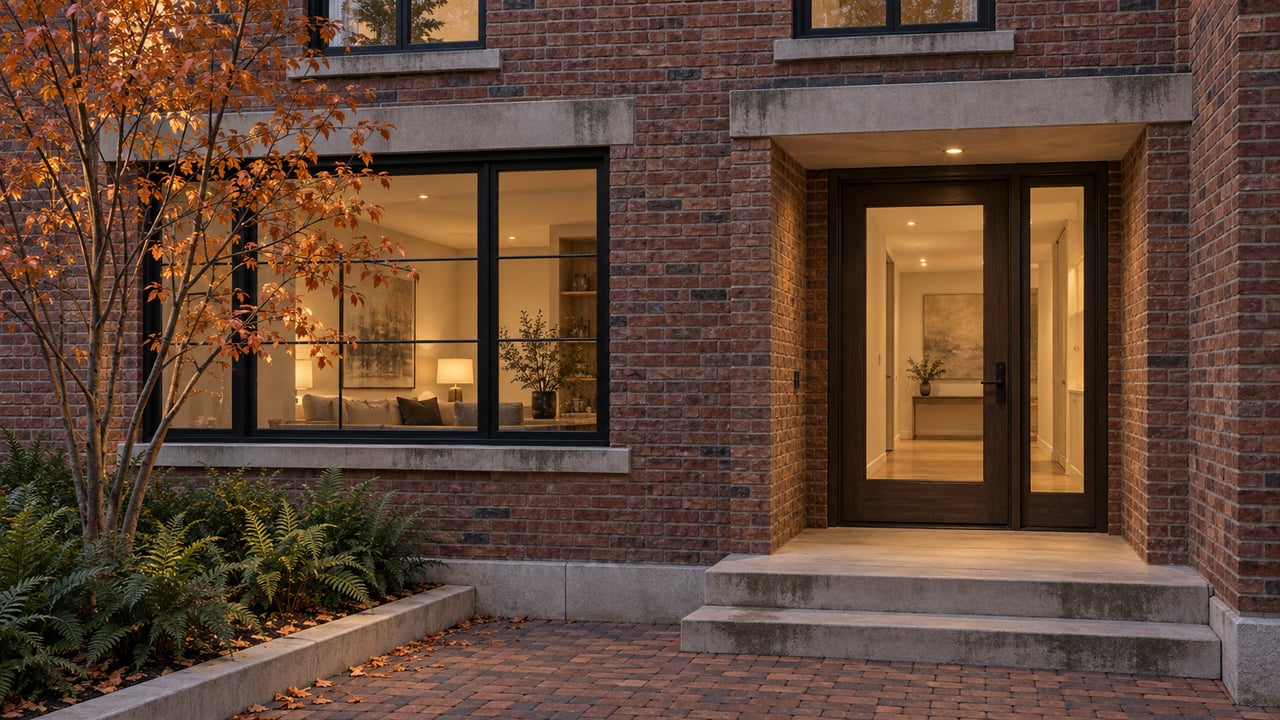
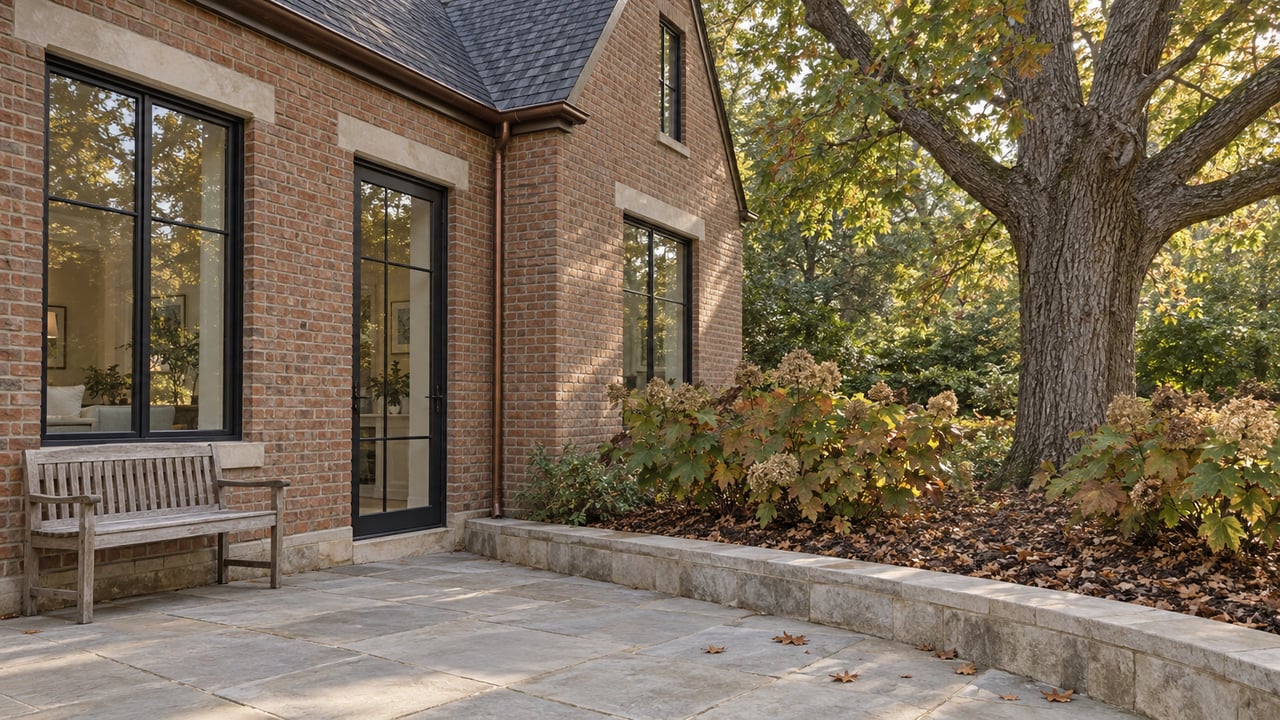
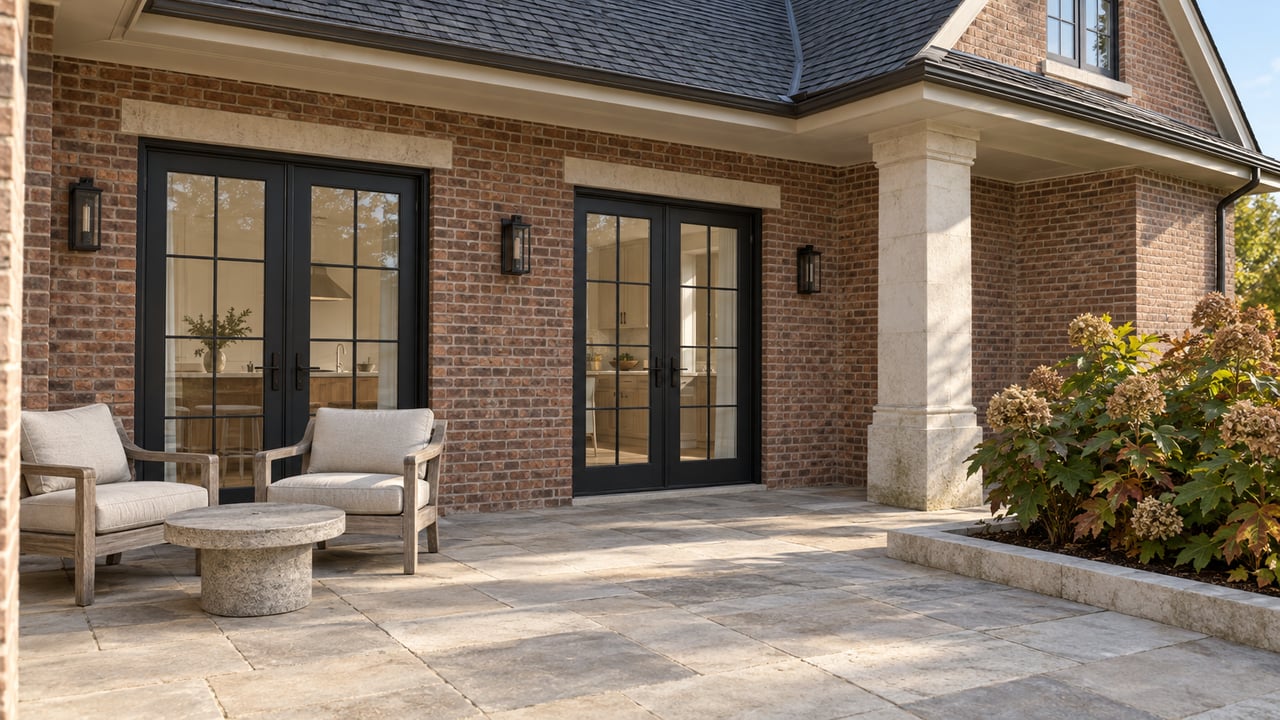
From there, the real question isn't "what's the median" but "which tier am I actually shopping." A renovated brick colonial competing in the rebuild tier behaves like a fast market: price it accurately and expect a short runway. A wooded estate on Otter Creek Road behaves like a thin market: expect the right buyer to take longer to find, and expect that positioning and preparation matter more than a quick sale.
That's where a seller's homework pays off before a home ever hits the market, whether that's confirming which tier comparable sales actually belong to or using preparation tools like Compass Concierge to get a rebuild-tier property showing-ready without the seller carrying renovation costs upfront.
A few questions worth settling before you make an offer
Why do different market reports show such different Forest Hills prices? Because monthly closing volume is small enough that one or two sales can swing a trailing-30-day median by millions of dollars. Trailing 12 to 24 month figures smooth this out and are the more reliable number to plan around.
How long does it actually take to sell a home in Forest Hills? It depends entirely on price tier. The cited 10-day median covers roughly 205 single-family closings across Forest Hills and does not establish a timeline for the rebuild or mid-tier. Estate-tier properties above $8 million can take a year or longer, since the buyer pool that deep is genuinely small.
If you're weighing Forest Hills against another Middle Tennessee neighborhood and want someone to walk through which tier your search actually falls into, Hackett Homes is a good place to start that conversation. Let's Connect.
This article is general information, not legal, tax or financial advice. Consult a qualified professional about your situation.